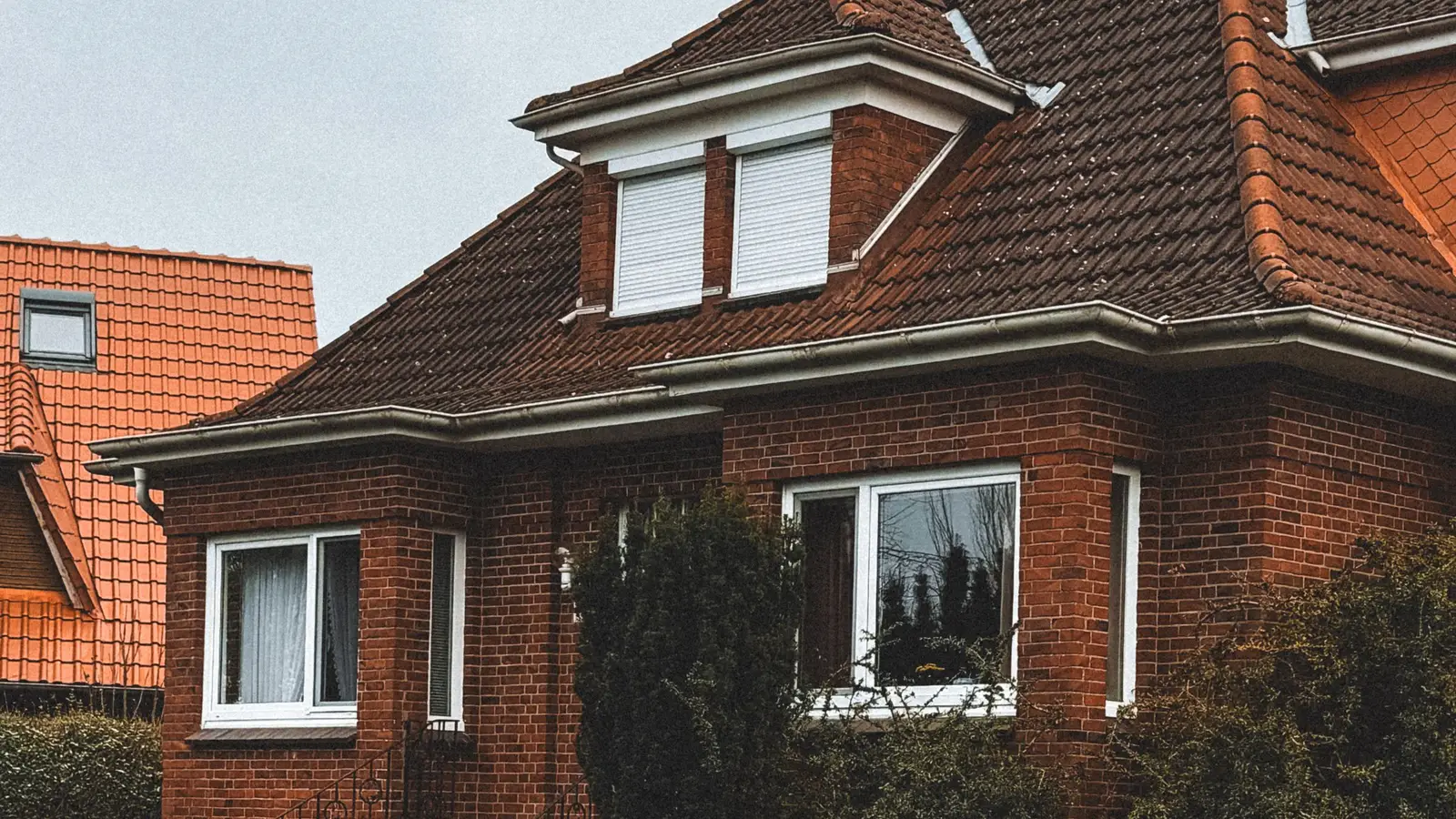
Walk down almost any residential street in Barnet, from the Edwardian terraces of Finchley to the 1930s semis of Mill Hill and Edgware, and you will see roofs carrying a green coat of moss. The borough's mature street trees, large gardens and parks make it one of the leafiest parts of London, and that shade and damp is exactly what moss, lichen and algae need to thrive on roof tiles.
A roof clean is not complicated, but it does need to be done carefully. Done well, it restores the look of the roof, protects your gutters and helps your tiles last. Done badly, usually with a high pressure jet washer, it can cause the very damage you were trying to avoid. This guide explains what a proper job looks like.
1. What happens during a professional roof clean?
A good roof clean follows the same sequence every time. Here is what to expect.
- Survey and quote. The roof is checked from the ground, from a ladder or with photos, to judge the size, pitch, tile type, level of growth and access. Any broken or slipped tiles are noted before work starts, so they can be fixed first or flagged to a roofer.
- Access and safety. Ladders with stand offs and roof ladders are set up, or scaffolding or a powered access platform on taller and steeper roofs. Paths, plants, windows and conservatory roofs below are sheeted to catch debris.
- Dry removal of moss. Thick moss is scraped off by hand with scrapers and stiff brushes, always working down the slope with the overlap of the tiles. This takes away the bulk of the growth without pushing anything up under the tiles.
- Soft wash. A low pressure wash lifts the remaining dirt, algae and loose lichen. Low pressure matters: it cleans the surface without stripping it.
- Biocide treatment. A professional biocide is sprayed across the whole roof. It kills the spores and roots that a wash alone leaves behind, which is what stops the moss coming straight back. It keeps working for weeks after the visit, and remaining lichen patches gradually loosen and weather away.
- Gutters and downpipes. Everything that has come off the roof, plus whatever was already sitting in the gutters, is scooped or vacuumed out and the downpipes are checked so they flow freely.
- Clear up and handover. Debris is bagged and taken away, paths are swept and rinsed, and you should receive photos of the finished roof and a note of anything that needs a roofer.
Why not a pressure washer? High pressure water can blast the surface layer off concrete tiles, drive water up under the laps and into the roof space, and crack or dislodge older tiles. Tile manufacturers generally advise against it, and it can affect tile warranties. If a quote mentions jet washing your roof, ask how they protect the tiles.
2. How long does it take to clean the roof of an average house?
For a typical three bed semi-detached house in Barnet with an average amount of moss and straightforward access, expect the work to take around four to six hours on site. Most homes are finished in a single day.
| Property | Approximate roof area | Typical time on site |
|---|---|---|
| Small bungalow | 60 to 90 m² | 3 to 4 hours |
| Terraced or semi-detached house | 80 to 120 m² | 4 to 6 hours |
| Large detached house | 120 m² and above | A full day, sometimes two |
A few things can stretch that time:
- Heavy growth. A roof that has not been touched in a decade can carry thick cushions of moss that take far longer to scrape off.
- Steep or tall roofs. Three storey houses, steep pitches, dormers and valleys all slow the work down.
- Scaffolding. If a roof cannot be reached safely any other way, putting up and taking down scaffolding can add half a day or more, usually on separate days either side of the clean.
- Weather. Roofs are cleaned in dry conditions. Rain, frost or high wind will move the date rather than risk a slippery roof or a washed off biocide.
3. What gets removed from the roof?
A roof clean deals with everything living on, or lodged in, your roof covering:
- Moss. The green cushions that grow along the bottom edges of tiles, especially on north facing and shaded slopes. Moss holds water like a sponge.
- Lichen. The crusty grey, white or yellow patches stuck flat to the tile. Lichen grips tightly, so it is killed with biocide rather than scraped hard, and the dead patches fall away over the following weeks.
- Algae. The black and green streaks that run down roofs and make them look dirty and old. These are surface growths that a soft wash and biocide remove.
- General dirt and grime. Traffic pollution and dust that dull the colour of tiles and slates.
- Leaves, twigs and seeds. Debris that builds up in valleys, behind chimneys and along the gutters, particularly under trees.
- Gutter blockages. Silt, moss balls, weeds and even small saplings growing in gutters and outlets.
- Bird mess and old nesting material, which can stain and block gutters and valleys.
4. What equipment is used to clean a roof?
A professional roof cleaner brings far more than a bucket and brush. A typical kit includes:
| Equipment | What it is for |
|---|---|
| Extension ladders, stand offs and roof ladders | Safe access to the gutters and the roof slope without standing on fragile tiles. |
| Scaffold tower, scaffolding or a powered access platform | Access to tall, steep or awkward roofs where ladders are not safe. |
| Harness and fall protection | Keeping the operative safe when working at height. |
| Hand scrapers and stiff brushes | Removing thick moss gently, tile by tile, with the lap of the tiles. |
| Soft wash system | A pump and hose that applies water and cleaning solution at low pressure, so tiles are cleaned without being stripped. |
| Professional biocide and sprayer | Killing moss, lichen and algae spores so the roof stays clean for longer. |
| Telescopic and water fed poles | Reaching parts of the roof and gutters from below. |
| Gutter vacuum | Clearing gutters and downpipes from the ground. |
| Sheeting and debris bags | Protecting paths, plants and windows, and taking all waste away. |
| Camera or drone | Checking the roof before and after, and showing you the result. |
5. How much does roof cleaning cost?
Prices depend on the size and pitch of the roof, how much growth there is, how easy it is to reach, and what is included. Published UK cost guides for 2025 and 2026 disagree quite a lot, mostly because some quote for a basic wash and others for a full clean with biocide and gutters. Across those guides, these ranges are typical for a full clean with biocide treatment:
| Property | Typical quote |
|---|---|
| Bungalow or terraced house | £300 to £600 |
| Three bed semi-detached house | £400 to £950 |
| Detached house | £600 to £1,500+ |
| Biocide treatment on its own | £150 to £400 |
Checkatrade's 2026 cost guide puts an average semi-detached roof clean at roughly £640 to £860, which sits comfortably in the middle of that range. Expect quotes in London to sit toward the upper half, and expect scaffolding to be priced separately where it is needed.
When you compare quotes, check that each one states:
- the cleaning method, and that no high pressure will be used on the tiles
- whether biocide treatment is included
- whether gutters and downpipes are cleared
- whether scaffolding or access equipment is included
- that all debris will be removed from the property
A very cheap quote is often a jet wash with no biocide. It may look good on the day, but the moss tends to return quickly and the tiles can be left worse off.
6. How many houses in Barnet need roof cleaning each year?
Nobody keeps an official count of roof cleans, but the census lets us make a sensible estimate.
The 2021 Census counted 148,917 households in the London Borough of Barnet. Census figures on accommodation type show that roughly 10% live in detached houses, about 27.5% in semi-detached houses and about 15% in terraced houses. Together that is around 78,000 houses, each with its own pitched roof, before counting purpose built and converted flats.
Most roofs benefit from cleaning every three to five years, and roofs under trees or on north facing slopes often need it every two to three years. If every house roof in the borough were cleaned on a three to five year cycle, that would mean:
house roofs a year falling due for cleaning across Barnet (78,000 houses ÷ a 3 to 5 year cycle), before adding blocks of flats, garages and outbuildings.
In reality not every roof is cleaned on schedule. Some are newly replaced, some are slate or sit in full sun and stay fairly clean, and many are simply left until the gutters overflow. But with so much tree cover across the borough, from Totteridge and Arkley to Hampstead Garden Suburb, a large share of Barnet's roofs carry visible moss at any one time.
7. Why should you get your roof cleaned?
A little moss is not an emergency, but left alone it rarely stays little. These are the main reasons homeowners book a clean:
- To protect the tiles. Moss holds water against the tiles. In winter that water freezes and expands, which can crack and flake tiles over time.
- To keep gutters working. Moss washes off the roof into gutters and downpipes. Once they block, rainwater spills down the walls, leading to damp patches, stained render and rotting fascias.
- To prevent leaks. Thick moss can lift the edges of tiles and dam valleys, letting rain blow or wick in under the covering.
- To spot problems early. A roof clean puts someone on your roof who can see slipped tiles, cracked ridges and worn flashing while they are still cheap to fix.
- To make the house look its best. The roof is a large part of what people see from the street. A clean roof makes a real difference to kerb appeal, especially if you are planning to sell.
- To show the roof has been maintained. Home insurance policies generally exclude damage caused by wear and tear or a lack of maintenance, so keeping the roof in good order matters if you ever need to claim.
For the full picture of what can go wrong, and what it can cost, read our article on what happens if you don't clean your roof.
Ready to book? Request a free roof cleaning quote for your home anywhere in the Borough of Barnet.
Sources and notes
- London Borough of Barnet, Census 2021 insight: 148,917 households.
- Census 2021 accommodation type (ONS dataset TS044) for Barnet: shares of detached, semi-detached and terraced households.
- Prices and timings are ranges drawn from published UK cost guides for 2025 and 2026, including Checkatrade's roof cleaning cost guide, and vary by roof, method and what is included. They are a guide, not a quote.
- The figure for roofs falling due each year is our own estimate, worked out as shown above.